The founding document brings together people with experience in freshwater ecology, molecular biology, climate science, restoration, and community organizing.
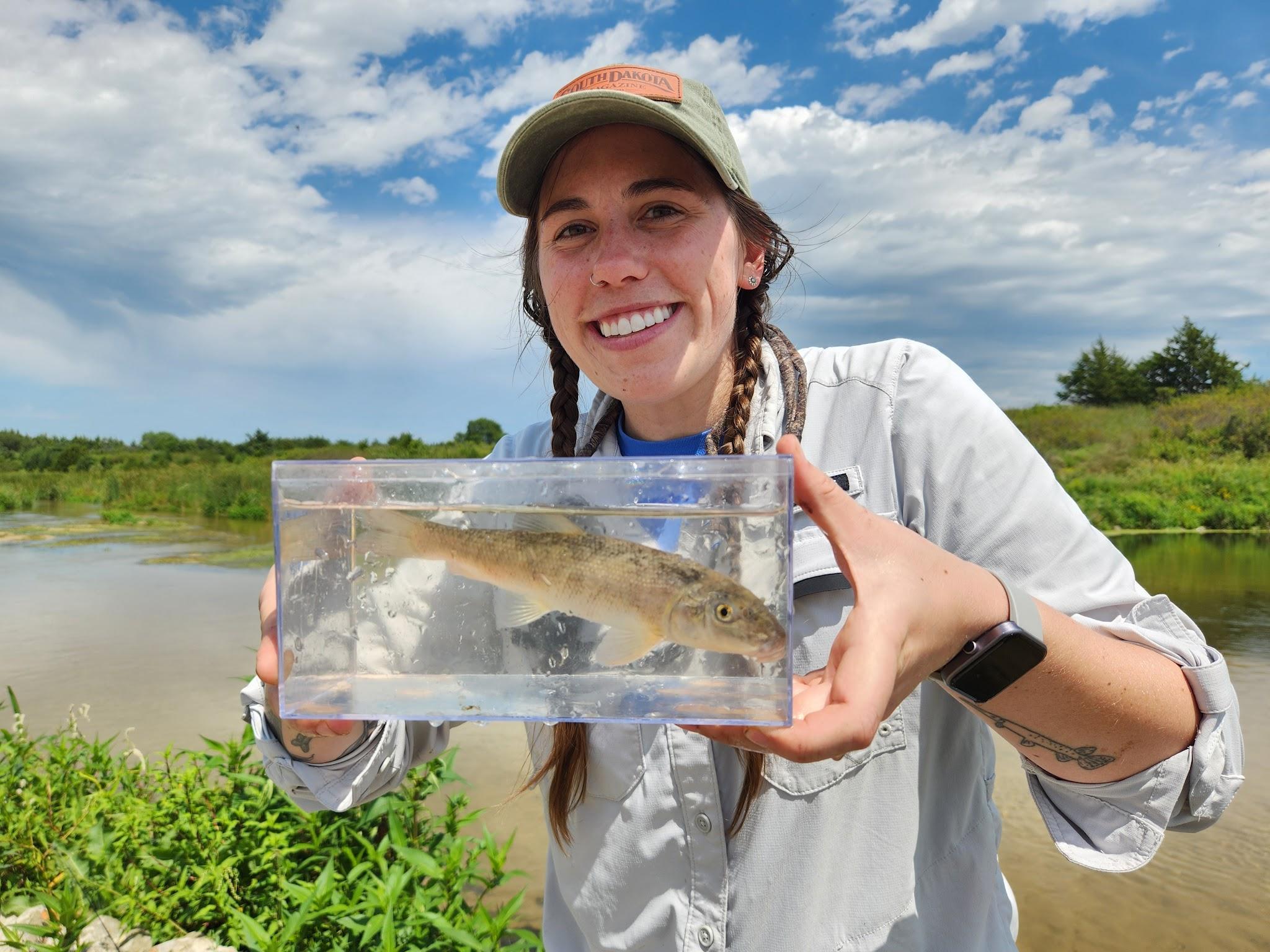
In the field with Liz
Founder
Dr. Elizabeth Renner
Freshwater fisheries ecologist
Liz grew up in the Sioux Falls area as a sixth-generation South Dakota farm kid. Her work has taken her across Great Plains aquatic ecosystems, including South Dakota, Kansas, and Nebraska.
The October 2026 proposal describes 11 years of experience and her role as a postdoctoral research associate in fish ecology at the University of Nebraska–Lincoln School of Natural Resources.
Her background includes work with South Dakota Game, Fish and Parks, the U.S. Fish and Wildlife Service at Gavins Point National Fish Hatchery, and Kansas State University. She brings field ecology, teaching, grant writing, and science communication to the institute’s founding vision.
A long relationship with a place. A new way to care for it.
The founding circle
Different strengths. A shared commitment.
These people are named in the founding board proposal. Roles and affiliations below reflect that October 2026 document.
Dillon Nelson
Molecular biology & mentorship
Oglala Lakota; a molecular biology PhD candidate at South Dakota State University in the proposal. Dillon’s experience includes grassland plant communities, cyanobacteria, and mentoring Indigenous students in STEM.
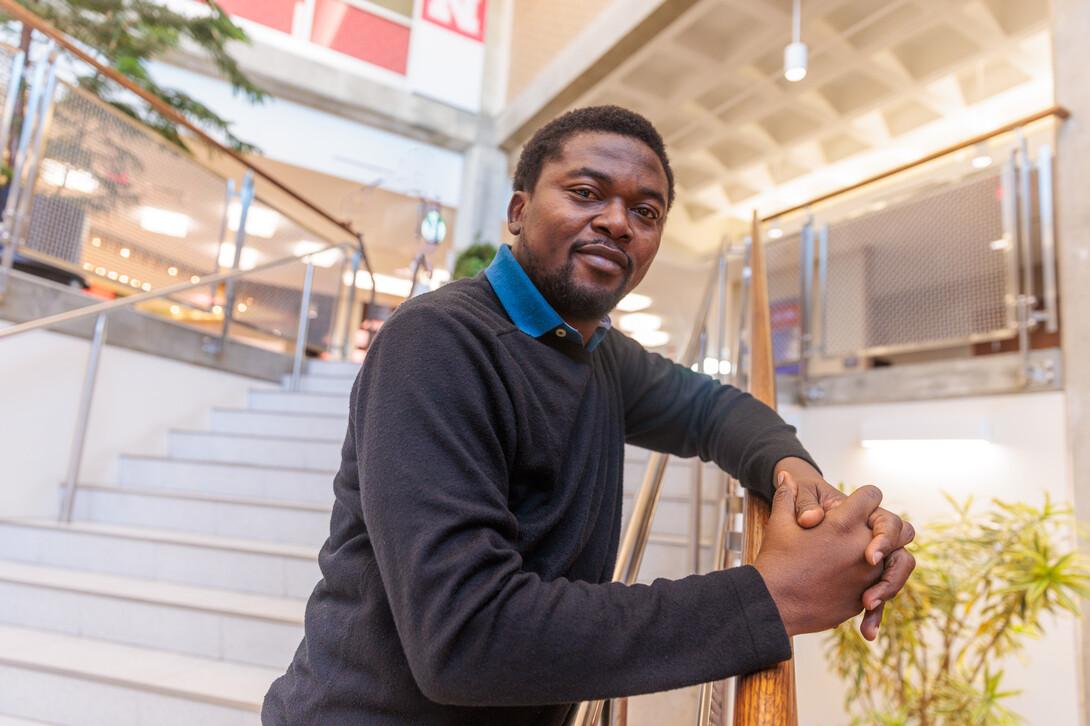
Jerome Okojokwu-Idu
Climate science & communication
A natural resource sciences PhD candidate at the University of Nebraska–Lincoln in the proposal. Jerome studies climate impacts and Indigenous rights in fossil-fuel-rich areas of Nigeria, with a background in environmental management.
Rae Yorek
Water, restoration & community
Named as assistant director at Black Hills Clean Water Alliance. Rae brings experience in civil engineering, fluvial geomorphology, riparian restoration, and organizing around environmental justice and water conservation.
Other potential contributors named in the proposal
Liz also names the following people as potential founding board members or core volunteers. Inclusion reflects the working document and does not confirm an appointment.
The proposal’s values begin with relationships: to one another, to community, and to the land and water.
Kinship, wisdom, prayer, compassion, respect, fortitude, and generosity form its ethical foundation. The vision emphasizes inclusion, reciprocal partnerships, accountability, and thinking across generations.